Example Asbestos Removal Projects in Georgetown

Here are six jobs as they would run around Georgetown: the building, the lab result, the way the material is taken out, the days needed and a rough total. Most Georgetown homes are too new for asbestos, but the older houses in Georgetown, Jarrell and Florence and older commercial buildings can still have it, so every example starts with a test.

Kitchen sheet vinyl up before a new tile floor

Example project
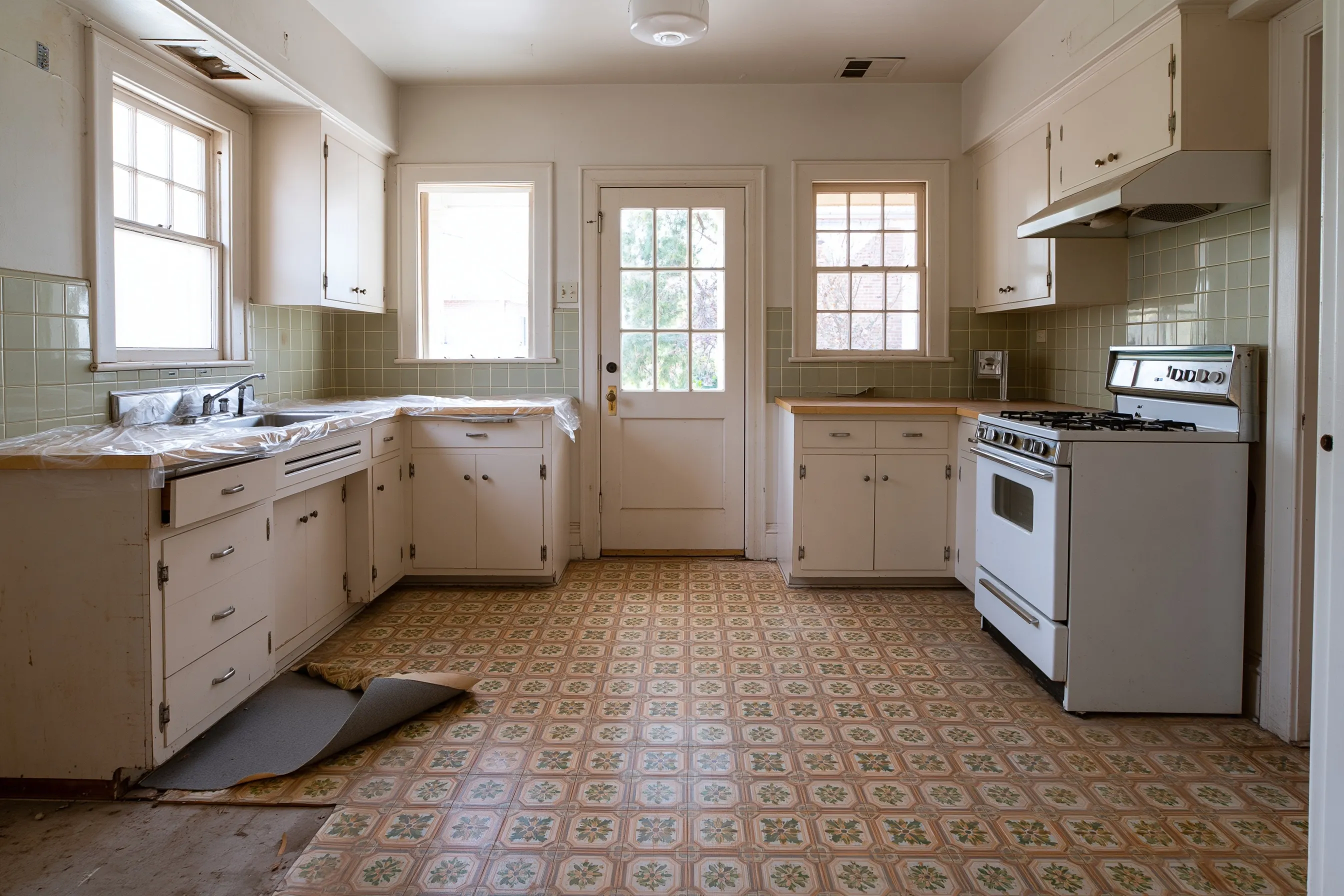
Kitchen floor of old patterned sheet vinyl peeled up along one edge, showing a gray felt layer stuck underneath
Home
1940s single-story house in Georgetown, with a wood floor on pier and beam
Original request
Porcelain tile in the kitchen; the tile setter will not set over sheet vinyl
Testing
The vinyl and the gray felt tested apart; the felt is the positive layer
Area
Kitchen, about 220 sq ft, cabinets and stove staying
State notice
None for a private home
Timeline
A few days for the lab, then the floor is clear in two
Cost
$2,900

Scope of work

Plastic over the doorways and the lower cabinets, the sheet vinyl cut into strips and lifted wet, the felt backing scraped off the subfloor, sealed bags, disposal and a HEPA clean of the bare wood. The porcelain and the setter’s labor are on the tile bid.

Project overview

In this example, the owners of a 1940s house in Georgetown want porcelain tile in the kitchen. They hoped to tile over the old sheet vinyl, but the tile setter needs a bare subfloor to add backer board. A lab test shows asbestos in the gray felt backing under the vinyl.

Felt backing tears and sticks to the subfloor when vinyl is pulled up dry, so it is cut into strips, kept wet and scraped off inside plastic. No state filing applies to a family home in Texas, and the tile setter starts on a clean subfloor.

The goal

The goal is a clean, bare subfloor ready for porcelain tile, with the felt backing gone and nothing left stuck to the floor.

Process

  1. Before work Vinyl and backing sampled; the kitchen emptied and the appliances moved.
  2. Day one Plastic up, vinyl cut into strips and lifted wet.
  3. Day two Felt worked off the subfloor while damp, bags tied off, the bare floor vacuumed.
  4. Then The tile setter checks the subfloor and starts.

Planning right

  • Pulling vinyl up dry is the mistake to avoid; the felt underneath is what holds the asbestos.
  • We check with the tile setter what the subfloor needs once the vinyl is off.
  • Cabinets usually stay. The vinyl is cut at the toe kick.
  • We settle with the tile setter how the backer board is fastened. Screws through old felt break it up.

Get a free quoteMore about asbestos floor tile and mastic removal
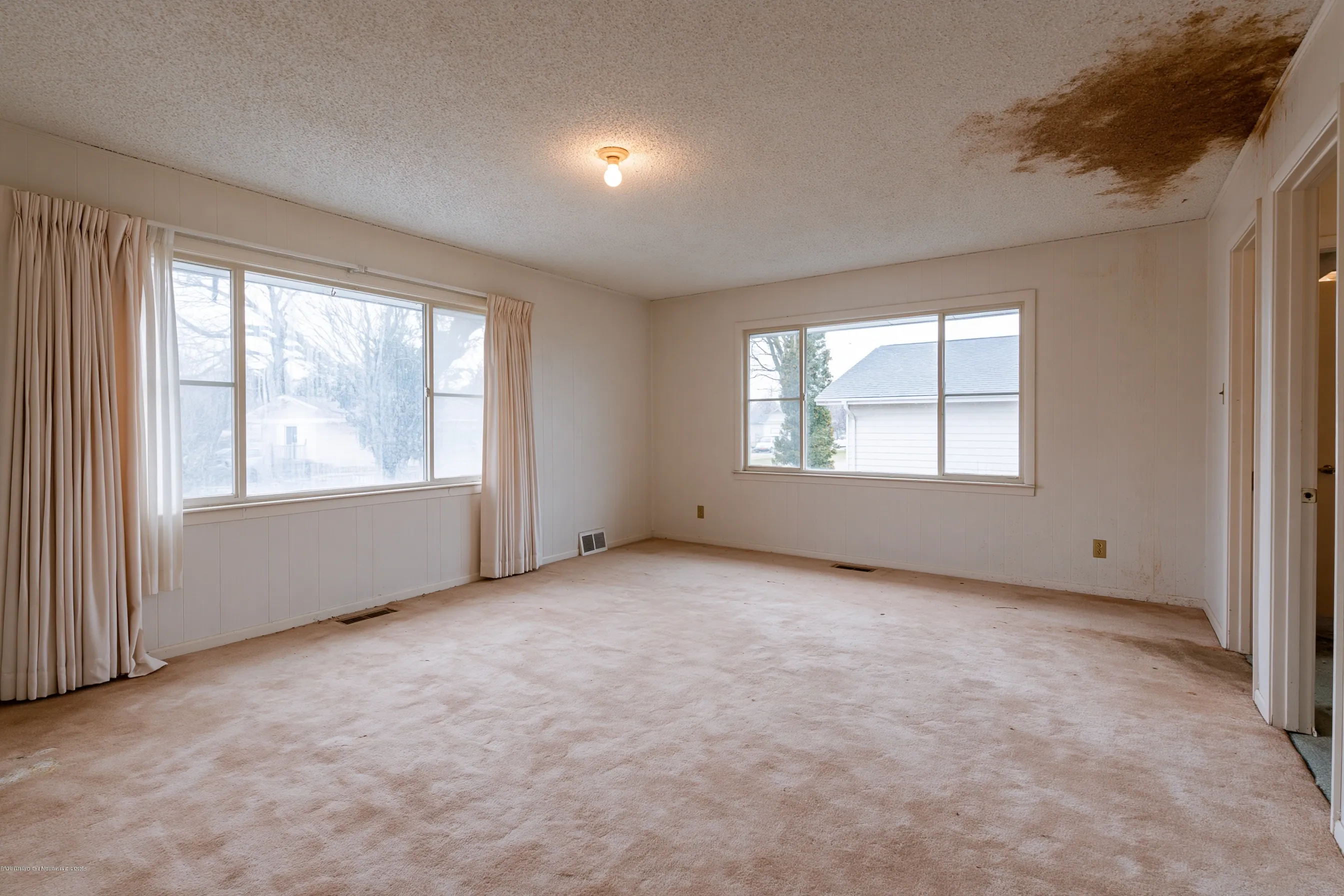
Water-stained popcorn ceiling in a bedroom after an old AC drain leak

Example project

Empty bedroom in a 1970s house, its popcorn ceiling marked by a large brown stain from an old leak
Home
1970s single-story house in Jarrell
Original request
A clean, smooth ceiling in a bedroom with an old brown stain
Testing
Texture taken from beside the stain: the lab finds asbestos
Room
Large front bedroom with two wide windows, about 220 sq ft of ceiling; the drywall is dry and sound
State notice
Nothing to file for one house
Timeline
Lab answer within the week, the room finished in two days
Cost
$3,300

Scope of work

Bed and dresser moved out, floor and walls under sheeting, an air filter running, the texture sprayed and scraped into bags, the room vacuumed and damp-wiped, and the waste hauled. Sealing the stain and the new ceiling finish come from the painter.

Project overview

In this example, the new owners of a 1970s house in Jarrell find a brown stain on a bedroom ceiling, left by an air conditioner drain in the attic that overflowed years ago. The drain was fixed and the drywall is dry and firm, but the stain shows through the texture. Houses here are often too new for asbestos, but this one is old enough to test, and the texture is positive.

The texture is wetted and scraped off the whole ceiling inside plastic. After that the painter blocks the stain and gives the drywall a fresh skim and two coats. With no state filing for a private home, work begins as soon as the lab has answered.

The goal

The goal is a dry, scraped ceiling the painter can prime over the stain, skim and finish, with no texture left behind.

Process

  1. Before work Texture sampled; the attic drain line checked; the room emptied.
  2. Day one The bedroom sheeted, the filter fan switched on, and the ceiling dampened and scraped.
  3. Day two Every surface cleaned twice, checked with a work light, and the sheeting rolled into bags.
  4. Then The painter seals the stain, skims the ceiling and paints.

Planning right

  • Check that the AC drain line and pan are clear before the new ceiling is finished.
  • Paint alone will not hide a water stain. It needs a stain-blocking primer.
  • Do not scrape a small test patch yourself. We take the sample.
  • Ceilings in the hall or living room may be from a different year, so test those before deciding.

Get a free quoteMore about asbestos popcorn ceiling removal

Torn duct wrap out before new attic insulation is blown in

Example project

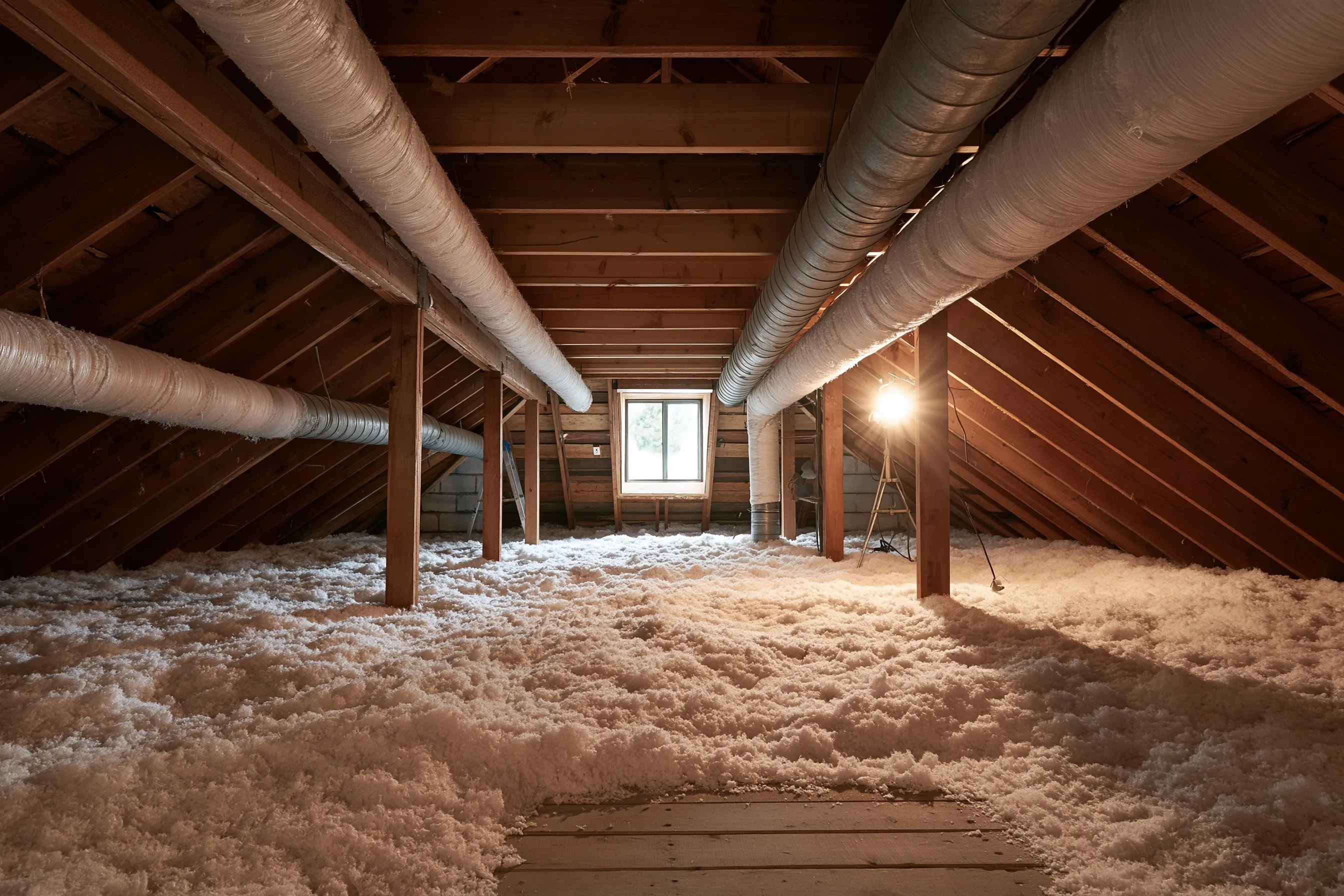
Hot attic of a 1950s house with old metal ducts wrapped in white tape-like insulation
Home
1950s single-story house in Georgetown, about 1,300 sq ft
Original request
More attic insulation blown in to cut the summer heat
Testing
A torn strip of the white duct wrap goes out for testing: positive
Material
About 45 ft of torn wrap, spread over three duct runs; the intact wrap beside it stays
State notice
Private house, so the state is not involved
Timeline
Done in one morning, before the attic heats up
Cost
$1,500

Scope of work

A sealed path in the attic, the torn lengths of wrap wetted and removed, the cut ends of the sound wrap sealed, the bare ducts sealed at the joints, sealed bags, disposal and a HEPA clean of the attic floor along the runs. The insulation company quotes the new duct wrap and the blown-in layer.

Project overview

In this example, the owners of a 1950s house in Georgetown want more insulation blown into the attic. The insulation crew finds old metal ducts wrapped in white tape-like insulation, torn in places, and will not bury it. The torn wrap goes to a lab and comes back positive.

The torn lengths, about 45 ft across three runs, come off wet in one early-morning day, before the attic gets hot. The sound wrap beside them stays with its ends sealed. The duct joints are sealed and new duct insulation goes on, so the insulation crew can blow in over clean ducts.

The goal

The goal is clean, sealed ducts with no old wrap left, ready for new insulation over the top.

Process

  1. Before work Wrap sampled; the torn lengths marked; the hatch area cleared; work set for an early start.
  2. Early morning Path through the attic sealed, torn wrap wetted and removed.
  3. Late morning Duct joints sealed, the attic floor vacuumed along the runs.
  4. Then New duct insulation, then the blown-in insulation.

Planning right

  • Attics in summer get dangerously hot by early afternoon, so we start in the morning.
  • Do not let anyone blow new insulation over torn wrap. It would be buried, not fixed.
  • Sealing the duct joints while they are bare helps the AC.
  • While up there, the inspector also takes a sample from the furnace or air handler.

Get a free quoteMore about asbestos insulation removal

Plaster walls out before a small bedroom becomes a bathroom

Example project

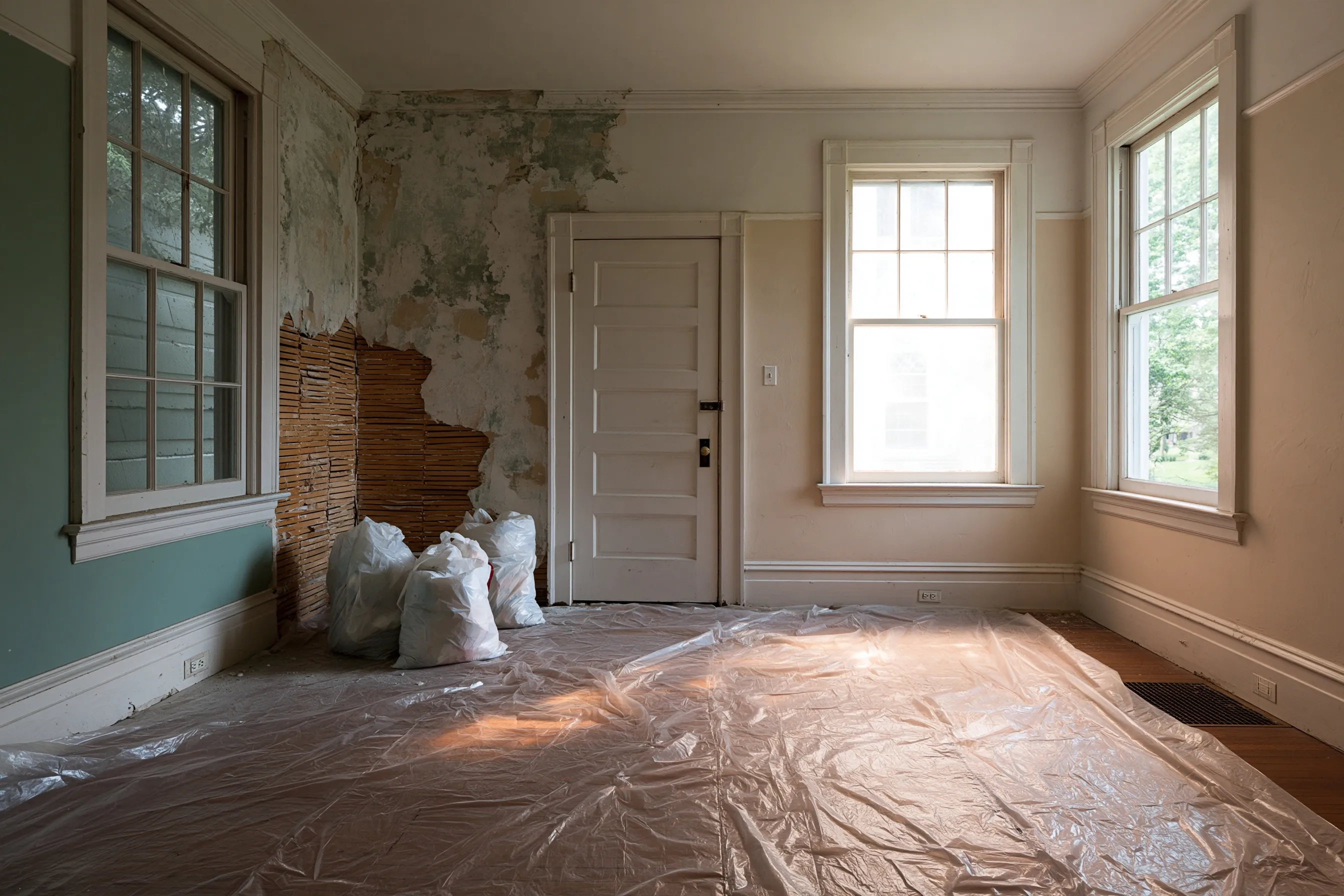
Bedroom in a 1930s house with plaster broken away to the wooden lath strips, the floor covered in plastic
Home
1930s house in Florence
Original request
Turn the small back bedroom into a second bathroom
Testing
Base plaster and the thin finish coat sampled one by one; the finish coat is positive
Room
Back bedroom, roughly 300 sq ft of wall surface
State notice
Not filed; it is a single private house
Timeline
Three days to strip the room, then plumbing
Cost
$3,900

Scope of work

Plastic over the floor and the doorway, a filtered air unit, the plaster and skim coat wetted and taken down to the lath, sealed bags, disposal, a HEPA clean and a final check. The plumber and the bathroom remodeler bill for the new room.

Project overview

In this example, the owners of a 1930s house in Florence want a second bathroom, and the small back bedroom is the spot for it. The plumbing will run through the walls, so the walls have to open. The old plaster and the thin skim coat on top are sampled separately, and the skim coat is positive.

Since the walls are coming open anyway, the plaster comes down to the lath inside plastic, kept wet the whole time. Nothing needs filing with the state for a home like this, and the plumber then works in a clean, open room.

The goal

The goal is a room stripped to the lath and ready for plumbing, with the skim coat gone in three days.

Process

  1. Before work Plaster and skim coat sampled; the room emptied.
  2. Day one Plastic and the air unit set up, the first two walls wetted and taken down.
  3. Day two The other walls done, debris bagged as it comes down.
  4. Day three HEPA clean of the lath and floor, a final check, plastic down.

Planning right

  • Sample the skim coat and the plaster as separate layers. They were often added years apart.
  • Old plaster is heavy. Ask how the bags will leave the house without damaging floors.
  • Check the floor framing while the room is open. A bathroom adds weight.
  • If the ceiling got the same finish coat, include it in the sampling.

Get a free quoteMore about asbestos removal before a remodel or demolition

Hail-broken cement shingles off one wall

Example project

Frame house from the 1950s in gray cement shingles, live oak branches overhead and plastic sheeting laid at the foot of the wall
Home
1950s frame house in Georgetown with gray cement shingle siding
Original request
Replace the siding on the west wall after a hailstorm cracked it
Testing
A hail-broken piece from the grass by the wall sent to the lab: positive
Area
Just the west side, close to 300 sq ft
State notice
Not filed; siding on a private home
Timeline
Lab answer, then the wall is stripped over two days
Cost
$3,400

Scope of work

Plastic along the wall and over the beds, broken pieces picked up by hand first, the rest of the shingles wetted and taken off whole, wrapped and hauled to an approved landfill. Re-siding the west wall is the siding contractor’s part of the claim.

Project overview

In this example, a hailstorm has cracked and broken many of the gray cement shingles on the west wall of a 1950s house in Georgetown. Pieces are lying in the dry grass along the wall, and one of them, sent to a lab, is positive.

The broken pieces are picked up by hand and kept wet, then the rest of the shingles on that wall come off whole. The other walls are undamaged and stay. The insurer gets the lab result and the scope, and the siding contractor re-sides the west wall.

The goal

The goal is a clean west wall and yard, ready for new siding, with the broken shingles gone.

Process

  1. Right away Large broken pieces left where they are; a sample sent to the lab.
  2. Day one Plastic laid, pieces picked up wet, shingles taken off from the top.
  3. Day two The bottom courses unnailed, the wrapped stacks loaded for the landfill, mulch combed for chips.
  4. Then The siding contractor re-sides the west wall.

Planning right

  • Do not mow or blow the yard near broken cement shingles. Pick them up wet or leave them for the crew.
  • Send the lab result to the insurer with the claim.
  • Ask whether new siding can be painted to match the other walls.
  • Hail that broke the siding may have cracked a cement roof as well; that needs someone on the roof before any price.

Get a free quoteMore about asbestos siding and roofing removal

Survey of an office suite before a dental practice moves in

Example project

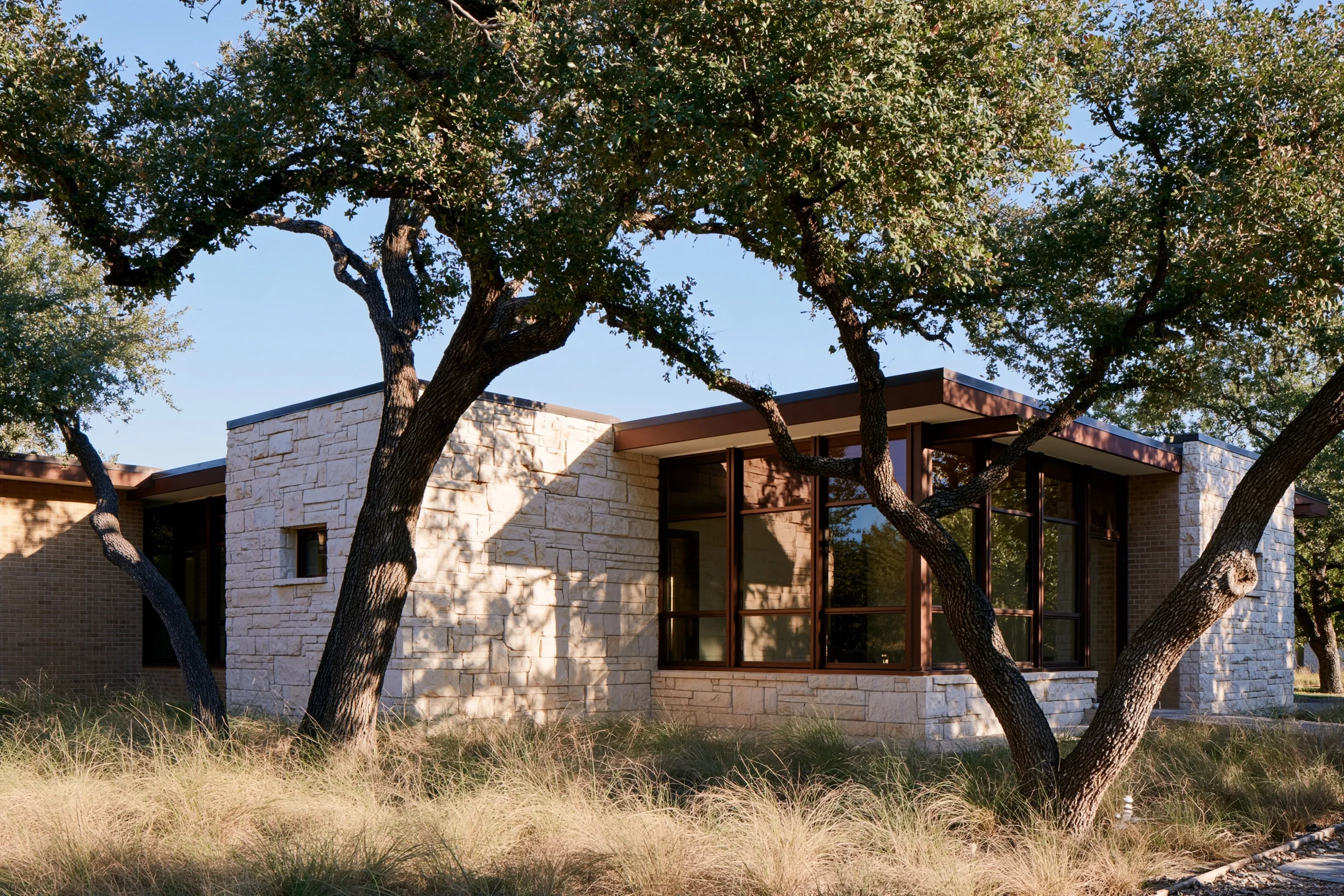
Single-story office building of pale limestone and brick from the 1970s, one suite’s windows empty
Building
1970s single-story limestone and brick office building in Georgetown
Original request
A build-out for a dental practice in an empty suite of about 1,200 sq ft
Testing
An inspector samples the suite and the ceiling space above it, about 25 samples
Found
Asbestos in the wrap on the water pipes above the ceiling and in the glue behind the wall base
Clear
The floor tile and its adhesive, the joint compound and the ceiling tiles
Timeline
Sampling takes a working day; the dental group has the report within the week
Estimated survey cost
$2,800

Scope of work

A walk-through with the build-out plans, samples from the floors, walls, ceiling tiles and the space above, lab analysis and a written report for the owner and the builder. Once the report is read, the removal and the state fee are priced.

Project overview

In this example, a dental practice is leasing an empty suite in a 1970s limestone and brick office building in Georgetown. The build-out will open walls for plumbing and replace every floor. The suite is surveyed first, so the state notice for the removal can list what will come out.

The pipe wrap above the ceiling and the glue behind the wall base are positive; the floor tile, its adhesive, the joint compound and the ceiling tiles are clear. The dental plumbing runs through that ceiling space, so the owner can now plan the removal, the 10 working days of notice and the fee into the lease and the build-out schedule.

The goal

The goal is a survey that lets the owner and the practice schedule the removal, the notice and the build-out from day one.

Process

  1. Survey day Plans in hand, the inspector samples floors, walls and the space above the grid.
  2. Within a week Results come back, sample by sample, in a short written report.
  3. Next Removal priced; the state notice filed 10 working days ahead.
  4. Then Removal, then the build-out; the state fee is billed to the owner afterwards.

Planning right

  • Plan the 10-working-day notice into the lease start date.
  • The state fee goes to the building owner. Settle in the lease who pays it.
  • The inspector samples the space above the ceiling too. Pipes and ducts run there, and that is where the positive wrap was.
  • We give the report to the landlord to file, since later tenants of the suite will need the same answers.

Get a free quoteMore about commercial asbestos abatement

Request a free asbestos removal quote

We recommend calling, but do feel free to contact us using this form. We'll get back to you with a free, personalized quote or additional questions as soon as possible. We're here to help.

Call (737) 215-4442

Call (737) 215-4442